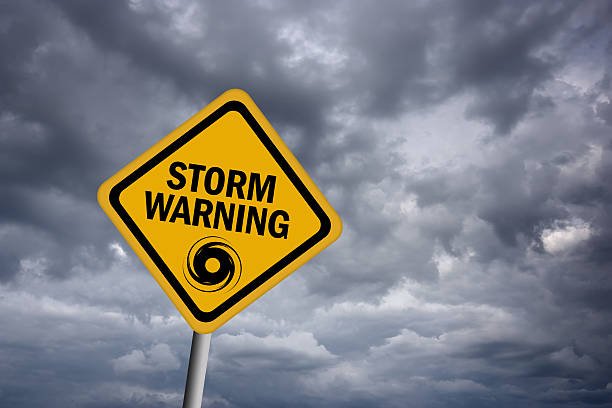
Storm warnings make a city feel jumpy and strangely hungry for flashlights. Pop up shops, event booths, and tiny studios suddenly have a new hobby: not getting soaked. In the middle of the scramble, someone usually says 24 movers Los Angeles like it is a shortcut spell, and the room relaxes a notch. The goal is not heroics. It is a clean, calm reset that keeps gear dry and people sleeping.
The First Decision Is Always About Water
A smart relocation begins with one question. What will be ruined first if rain wins. Paper signage curls. Power strips spark. Cardboard turns into oatmeal. So the plan starts with triage, then the path, then the load, and only then the new layout. Plastic bins beat boxes. Towels beat speeches. A single dry staging zone becomes the calm center where everything gets counted and wrapped before it travels.
Next comes the quiet admin work nobody brags about. Phone numbers get swapped, access codes get confirmed, and a single person becomes the voice for building staff so messages stay consistent. When the door time is set, the whole move gets lighter. It stops being a storm story and becomes a schedule.
How Does A Pop Up Move Without Making A Mess?
Fast moves look elegant when the sequence is simple and everyone knows the next step. Routes get checked for puddles, ramps, and slippery tile. Floor protection goes down early, because wet footprints multiply like gossip. Then the packing style changes from cute to practical, and every item gets treated like it will be opened in a hurry.
- Bag cords before touching anything wet.
- Wrap signage in plastic, not paper.
- Lift pallets, never drag them.
- Label bins on two sides.
- Keep towels within arm reach.
- Photograph the setup before breakdown.
After that checklist, the rest becomes easier to steer, because the room stops improvising and starts following a script. A small laugh helps too, especially when a banner tries to fly away. The trick is to keep hands clean. Wipes travel in a pocket, and wet gloves get swapped before tape gets touched.
What Keeps Electronics Safe While Weather Acts Dramatic?
Electronics do not care about deadlines. They care about moisture, shock, and being dropped by tired hands. So the move favors short carries, padded crates, and clear handoffs. Chargers and adapters travel together, not scattered like loose change. If power must be cut, the order is calm and consistent, and every cord gets looped like it is heading to a studio, not a trunk.
There is also a mental game at play. When the rain is loud, people rush, and rushing breaks things. The best protection is simple: slower steps on slick floors, two person lifts for awkward cases, and one clear place where devices rest while routes get cleared. The safest approach treats every device like it is borrowed, even if it is owned, because borrowed things get handled with extra respect.
Can The New Spot Feel Like Home In Ten Minutes?
Yes, if the layout is chosen before the first bin opens. A quick tape outline on the floor can mark tables, traffic flow, and the dry zone. Signs go up last, when hands are clean. Then the small comfort touches appear: a towel pile by the door, a mat for shoes, a warm drink in a thermos, and a trash pouch that keeps wrappers from drifting.
The final minute is a quiet scan. Corners get checked for water beads. Power gets tested once, not ten times. A short note gets sent to the team so nobody wonders where things landed. The storm can keep talking outside. Inside, the pop up looks intentional, tidy, and ready for the next customer.