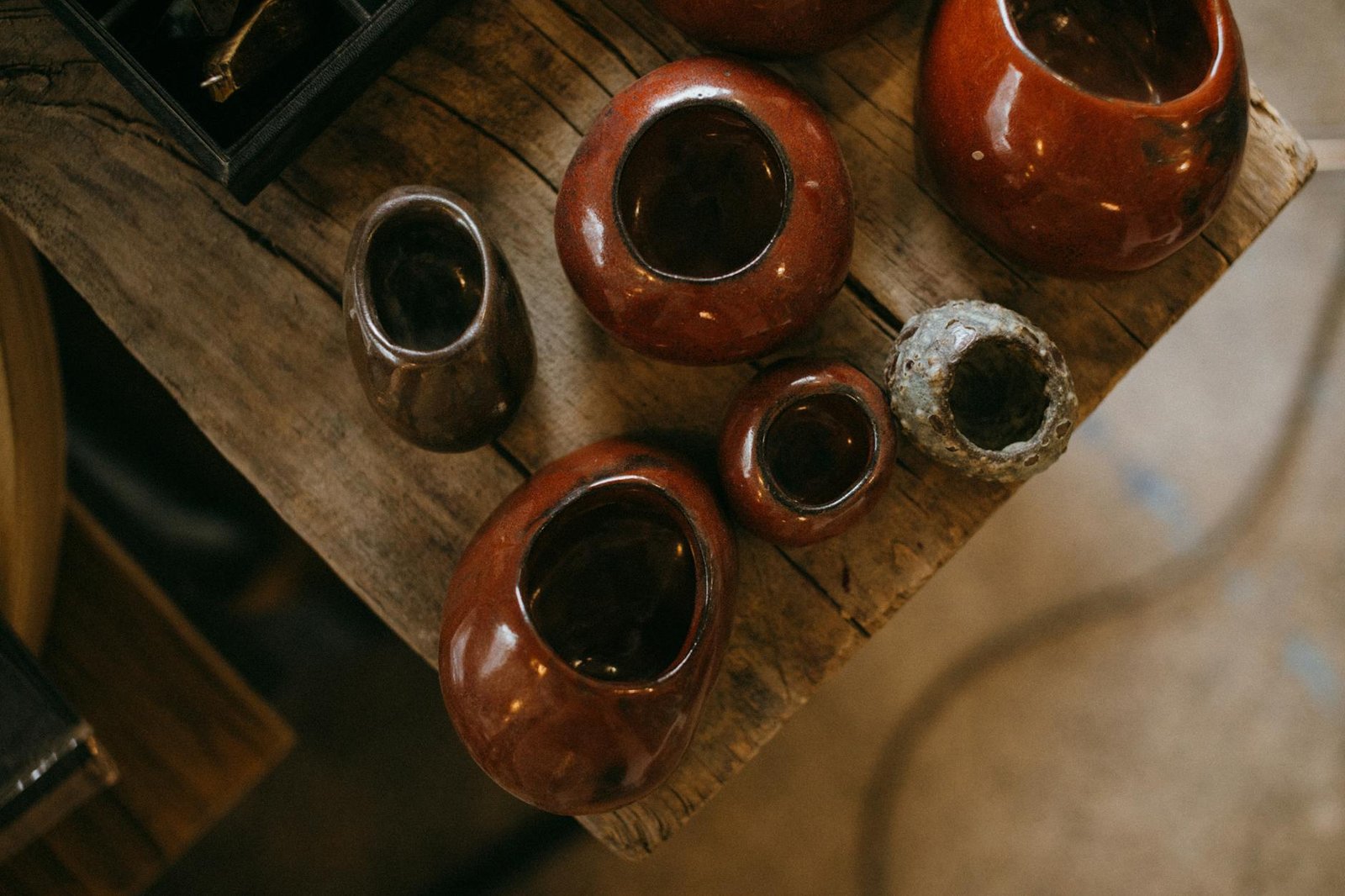
Spectrum glazes are widely recognized for their clean color development, dependable firing behavior, and broad usability in both functional and decorative ceramics. Selecting the right glaze from Spectrum’s range requires understanding not only color preference, but also firing temperature, clay compatibility, and intended use. This review provides a technical, experience-based overview designed to help ceramic artists identify the Spectrum glaze that best aligns with their production needs and aesthetic goals.
Overview of Spectrum Glazes
Spectrum specializes in oxidation-fired glazes formulated for consistency and clarity. The brand’s core lines include the 1100 Series for low-fire applications and the 1200 Series for mid-range firing, each engineered to mature reliably within a defined cone range. Spectrum glazes are predominantly known for stable, even melts and a strong emphasis on surface finish control, making them especially popular in studios focused on repeatable results rather than unpredictable reactions.
Spectrum Glaze Characteristics
One of the defining features of Spectrum glazes is their high pigment load combined with controlled melt behavior. Opaque colors offer strong coverage without excessive thickness, while transparent and semi-transparent options maintain clarity over texture and carving. During firing, these glazes tend to hold their hue with minimal variation, provided they are fired to maturity. This predictability makes Spectrum particularly suitable for production pottery and design-driven collections.
Application Behavior
Spectrum glazes perform consistently across common application methods, including brushing, dipping, and pouring. When brushed, they level well and minimize streaking if applied in even coats. Dipping produces uniform surfaces without excessive running, provided glaze density is properly maintained. Pouring techniques benefit from Spectrum’s balanced viscosity, allowing smooth transitions and controlled pooling. This adaptability makes the brand accessible to both studio potters and larger-scale workshops.
Choosing Spectrum Glazes for Functional Work
For functional pottery, Spectrum glazes are valued for durability and surface integrity. Many colors in both the 1100 and 1200 Series are certified food-safe when fired correctly and used according to manufacturer guidelines. Their smooth, non-crazing surfaces perform well on dinnerware, mugs, and bowls that require regular use and washing. Artists producing functional ware benefit from Spectrum’s consistency across batches, which supports visual uniformity in sets and collections.
Decorative and Sculptural Applications
In decorative and sculptural contexts, Spectrum glazes excel at delivering strong color statements and clean surface finishes. Their opacity makes them ideal for bold graphic forms, color blocking, and contemporary sculptural work. Transparent Spectrum glazes can be used to enhance carved or textured surfaces without obscuring detail. While they are not primarily designed as reactive glazes, their stability allows surface form and design to remain the focal point.
Firing Performance and Atmosphere
Spectrum glazes are formulated specifically for oxidation firing and perform best in electric kilns with stable temperature control. At the correct cone, they develop a smooth, fully matured surface with minimal defects. Underfiring often results in dullness, while overfiring can reduce color intensity or introduce excessive fluidity. Controlled heating and cooling cycles support color accuracy and surface consistency, especially in mid-range firings.
Comparison with Other Brands
Compared with AMACO, Spectrum glazes are generally less reactive but more uniform in finish, making them easier to control in production settings. In contrast to Mayco, Spectrum focuses more on surface consistency than on dramatic movement or crystal effects. These differences position Spectrum as a strong choice for artists prioritizing predictability and clean color over spontaneous glaze interaction.
Finding Your Perfect Match
Selecting the ideal Spectrum glaze involves testing within the specific conditions of the studio. Clay body color, bisque temperature, glaze thickness, and firing schedule all influence final results. Test tiles should be used to evaluate color saturation, surface texture, and fit. Keeping detailed records allows successful combinations to be reproduced reliably, which is essential for both professional production and cohesive artistic series.
Spectrum glazes offer a reliable, technically sound solution for ceramic artists seeking consistent color, smooth surfaces, and controlled firing behavior. Their strength lies in predictability, making them especially effective for functional ware and design-focused work. By understanding their characteristics and testing them within specific studio conditions, artists can confidently identify the Spectrum glaze that best matches their creative and production requirements.