For decades, automotive prestige was largely defined by visible excess. Luxury vehicles signalled status through large engines, dramatic proportions, polished chrome, and increasingly powerful performance figures. Refinement mattered, but so did presence. Noise, speed, and scale were central to how premium cars communicated importance.
That definition is changing.
As electric vehicles become more established within the luxury market, prestige is shifting away from overt displays of power towards something more restrained and technologically integrated. Innovation, sustainability, seamless connectivity, and design sophistication are increasingly shaping what consumers perceive as desirable.
The transformation reflects broader cultural changes around wealth, identity, and modern luxury itself. Increasingly, status is communicated through subtlety rather than spectacle.
Quietness Has Become a Luxury Feature
Historically, powerful engines were designed to be heard. The sound of a high-performance V8 or V12 often formed part of a vehicle’s appeal, symbolising engineering capability and exclusivity.
Electric vehicles challenge that idea entirely.
Many modern EVs deliver exceptional performance while remaining almost silent. Rather than diminishing the driving experience, this quietness has become part of the luxury appeal itself. Smooth acceleration, minimal vibration, and calm interiors now communicate refinement in ways loud performance once did.
This reflects a wider shift in contemporary luxury culture. Across architecture, fashion, and product design, understated sophistication increasingly holds greater cultural value than overt extravagance.
In automotive design, silence has become associated with confidence and technological maturity. The absence of mechanical drama signals control rather than compromise.
Technology Now Defines Premium Experiences
Prestige vehicles are increasingly evaluated through their digital ecosystems rather than purely mechanical specifications.
Infotainment systems, software integration, autonomous driving assistance, over-the-air updates, and connected features now shape perceptions of quality as much as traditional craftsmanship once did. Drivers expect vehicles to integrate seamlessly with daily digital life.
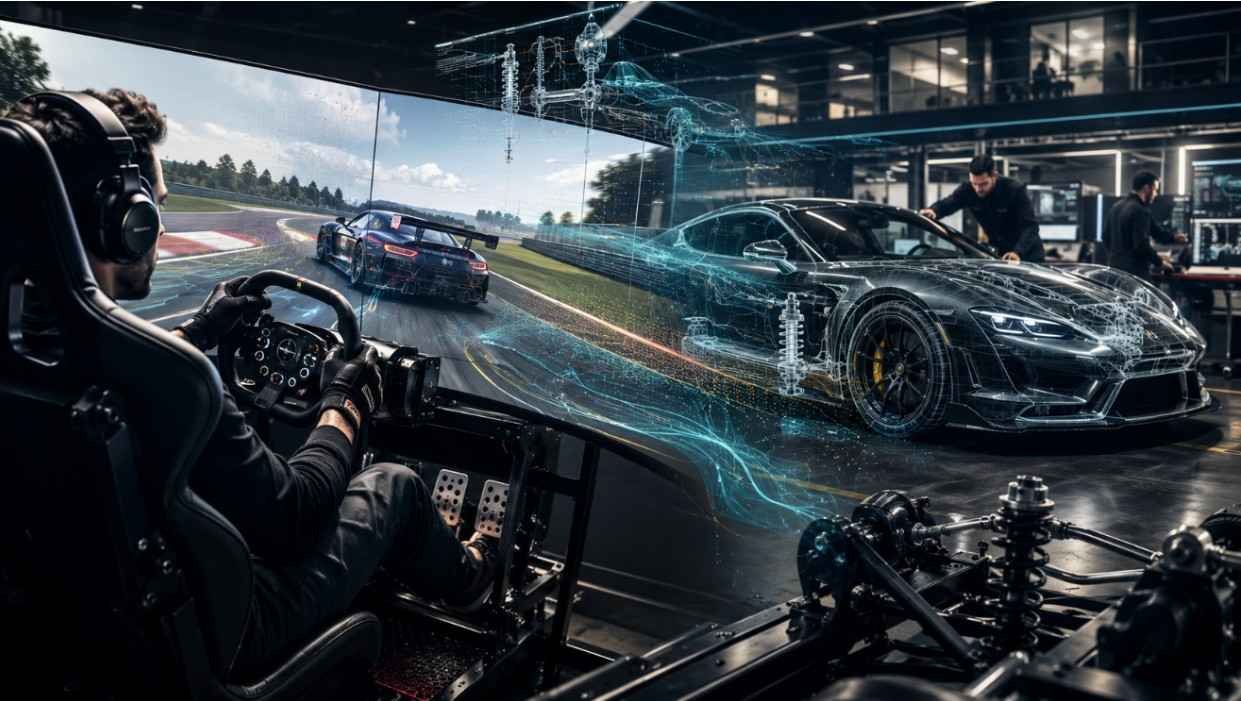
This transition has influenced interior design significantly. Modern luxury cabins often resemble contemporary technology spaces rather than traditional automotive environments. Large displays, ambient lighting, minimalist layouts, and software-focused interfaces have replaced many of the physical controls and ornamental details associated with older luxury vehicles.
The emphasis is increasingly on experience rather than visible complexity.
Consumers, particularly younger buyers, often associate advanced technology with progress and prestige more strongly than engine size or mechanical performance. A car that feels intelligent, intuitive, and digitally integrated may appear more aspirational than one focused solely on traditional driving dynamics.
Sustainability Has Become Part of Luxury Identity
Environmental awareness also plays an important role in redefining prestige.
For many consumers, particularly in urban and younger demographics, sustainability is no longer viewed as separate from luxury. Ethical production, energy efficiency, and environmental responsibility increasingly contribute to how premium brands are perceived.
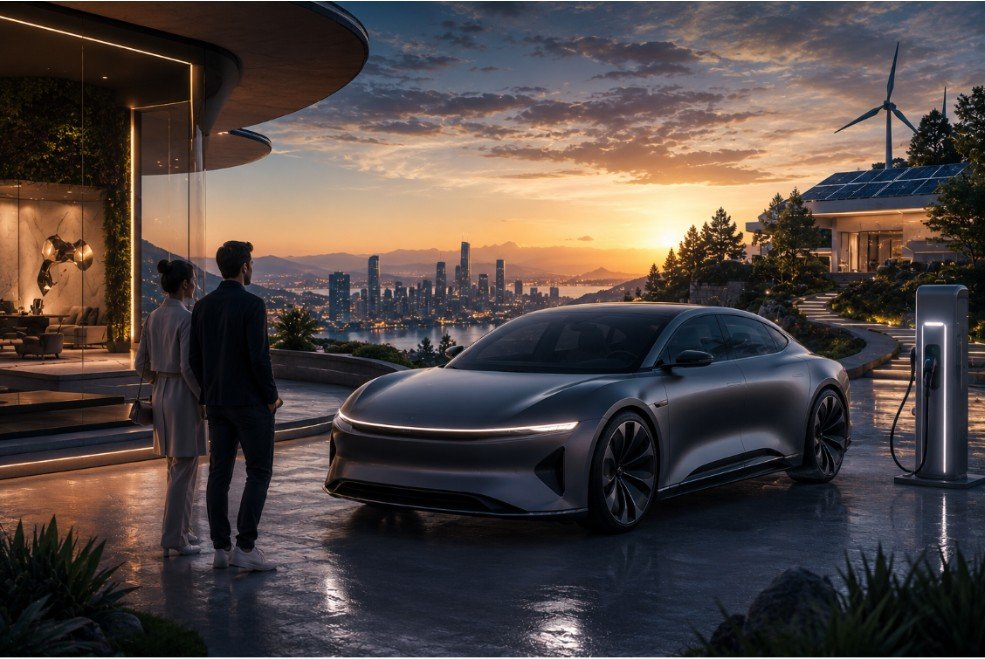
Electric vehicles allow luxury manufacturers to position themselves as technologically progressive while responding to changing cultural attitudes around consumption and climate responsibility.
This has created a new form of status signalling. In previous decades, visible fuel consumption and large engines sometimes symbolised wealth because they implied freedom from practical concerns. Today, visible sustainability can communicate cultural awareness, modernity, and social responsibility instead.
The change is particularly noticeable in major cities, where quieter vehicles and minimalist aesthetics often align more naturally with contemporary urban lifestyles than traditional displays of automotive excess.
Design Language Has Become More Restrained
The rise of EVs has also influenced automotive aesthetics.
Without the packaging requirements of combustion engines, designers have greater flexibility to create cleaner, more streamlined forms. Many electric vehicles embrace minimalist design principles influenced by architecture, consumer technology, and contemporary product design.
This has altered perceptions of what looks expensive.
Rather than aggressive styling, oversized grilles, or excessive ornamentation, modern prestige vehicles increasingly favour simplicity, proportion, and subtle detailing. Smooth surfaces, hidden elements, and carefully integrated lighting now communicate sophistication more effectively than visual complexity.
This design philosophy extends to personalisation as well. Many drivers are moving away from overt modification towards more refined forms of presentation. Details such as wheel finishes, lighting accents, interior materials, and carefully selected exterior touches contribute to a vehicle’s identity without overwhelming it.
For motorists interested in understated personalisation, brands such as Number 1 Plates reflect the broader trend towards clean, cohesive automotive presentation rather than attention-seeking customisation.
Younger Consumers View Prestige Differently
Generational attitudes have accelerated many of these changes.
Younger luxury buyers often prioritise connectivity, sustainability, usability, and design coherence over traditional status symbols. They are more likely to view vehicles as part of a broader lifestyle ecosystem rather than isolated mechanical objects.
This influences everything from purchasing decisions to brand loyalty. Companies associated with innovation and software development can now compete directly with long-established luxury manufacturers because prestige increasingly depends on technological relevance as much as heritage.
Social media has amplified this transformation further. Cars are constantly photographed, filmed, and shared online, meaning aesthetics and digital functionality play larger roles in shaping perception. A vehicle’s interface, lighting design, or minimalist interior may generate more cultural attention than its engine specifications.
Prestige has become more experiential and visually curated.
The Meaning of Luxury Is Evolving
None of this suggests traditional automotive craftsmanship no longer matters. Comfort, build quality, engineering, and driving experience remain essential elements of premium vehicles.
What has changed is the way those qualities are expressed.
Modern prestige increasingly values calmness over aggression, seamless technology over mechanical theatre, and intelligent design over visible excess. Electric vehicles sit naturally within this shift because they align with broader cultural preferences towards minimalism, sustainability, and digital integration.
The automotive industry is entering a period where luxury is defined less by what a car consumes and more by how intelligently it fits into modern life.
In that sense, electric vehicles are not simply introducing a new form of propulsion. They are reshaping the cultural meaning of status, refinement, and aspiration within the automotive world itself.