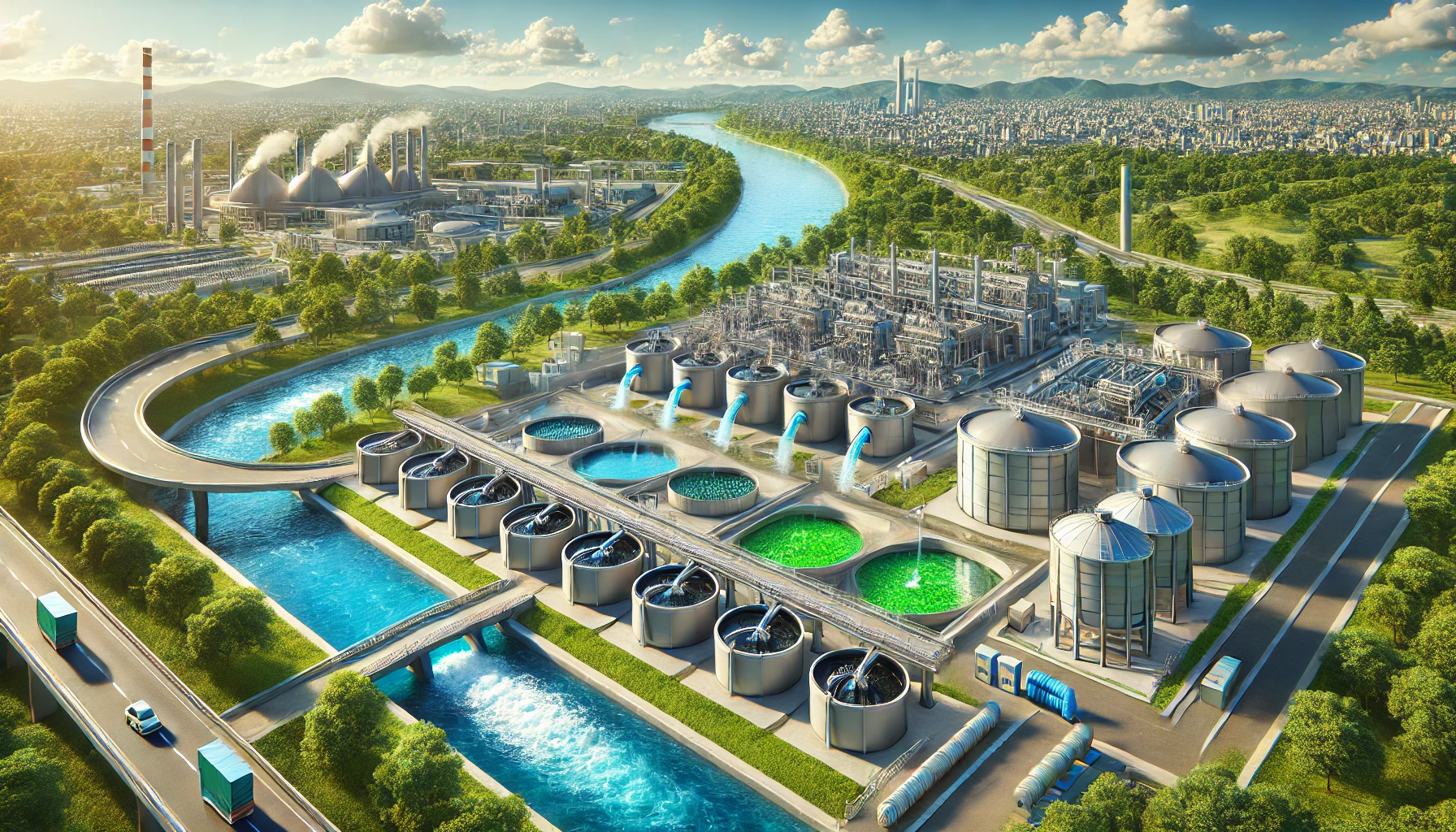
Modern waste treatment is one of the unsung heroes of public health and environmental protection. When most people flush a toilet or drain a sink, they rarely think about what happens next. Yet behind the scenes, complex systems work tirelessly to clean water, remove harmful substances, and protect natural ecosystems.
The Journey Begins: Collection and Screening
Understanding how these systems operate not only builds appreciation for the technology involved but also highlights how crucial it is to properly maintain your sewage treatment plant to ensure efficient performance and environmental safety.
Everything starts with the collection of wastewater. In urban areas, an extensive network of pipes and pumps carries wastewater from homes, businesses, and industries to a central treatment facility. In rural settings or remote sites, on-site systems like septic tanks and small wastewater treatment plants handle this task locally.
Once the wastewater arrives at a treatment facility, it passes through screens that remove large objects such as sticks, rags, and plastics. These screens act like a coarse filter to prevent damage to pumps and downstream equipment, and the collected solids are typically sent to landfills or incineration facilities.
Primary Treatment: Letting Gravity Do the Work
After screening, the wastewater moves into primary treatment. This stage involves large tanks called primary clarifiers. Here, the flow of water slows significantly, allowing heavier solids to settle at the bottom while lighter materials, like fats and oils, float to the surface. These solids and scum are then mechanically removed.
Primary treatment doesn’t remove dissolved pollutants, but it does reduce the load on subsequent treatment stages by eliminating a significant amount of suspended solids. Typically, this step can remove around 50–60% of solids and about 30–40% of organic matter.
Secondary Treatment: Biological Cleanup
Secondary treatment is where the real biological magic happens. Microorganisms such as bacteria feed on the organic pollutants in the wastewater, breaking them down into simpler substances. There are several methods for secondary treatment, but two of the most common are activated sludge systems and trickling filters.
In an activated sludge system, air is pumped into large aeration tanks to support the aerobic bacteria that digest organic matter. The mixture of wastewater and bacteria, known as mixed liquor, flows into a secondary clarifier where the bacteria settle out. Some of this settled biomass is returned to the aeration tank to maintain a healthy microbial population, while the rest is removed as waste sludge.
Trickling filters, on the other hand, pass wastewater over a bed of rocks or plastic media covered with a biofilm of microorganisms. As the water trickles down, the microbes consume the organic pollutants before the treated water is collected at the bottom.
Tertiary Treatment: Polishing the Water
Once the bulk of the organic matter and solids are removed, many facilities apply tertiary treatment. This advanced stage targets nutrients like nitrogen and phosphorus, which can cause algae blooms and other ecological problems if discharged into rivers or lakes. Methods include biological nutrient removal, chemical precipitation, and filtration through sand or membrane systems.
Tertiary treatment can also involve disinfection, usually with chlorine or ultraviolet (UV) light, to kill any remaining pathogens. The result is high-quality effluent that meets regulatory standards and is safe for release into the environment or, in some cases, reuse for irrigation and industrial processes.
Handling the Residuals: Sludge Treatment and Disposal
Throughout the treatment process, solid waste accumulates as sludge. This by-product must be treated separately to reduce pathogens, odors, and volume before disposal or reuse. Sludge treatment often involves digestion, where bacteria break down organic material in an oxygen-free environment, producing biogas that can be captured for energy. The stabilized sludge might then be dewatered and either landfilled, incinerated, or beneficially used as a soil amendment, depending on local regulations and quality.
Ongoing Operation and Maintenance
Modern wastewater treatment isn’t a “set-it-and-forget-it” system. It requires constant monitoring, skilled operators, and regular maintenance to function effectively. Sensors, control systems, and routine testing ensure that each stage of treatment performs within design parameters. Without proper care, systems can become overloaded, efficiency can drop, and environmental compliance may be jeopardized.
Routine maintenance also extends to components such as pumps, aerators, screens, and clarifiers. Even seemingly small issues, like clogged filters or worn gaskets, can lead to larger problems if left unaddressed. Preventive maintenance schedules and rapid response to alarms help keep systems running smoothly.
The Bigger Picture: Environmental and Community Benefits
Effective wastewater treatment protects human health by removing pathogens and harmful chemicals. It preserves aquatic ecosystems by preventing pollution, supports water reuse initiatives, and contributes to sustainable development. As populations grow and climate change places additional stress on water resources, modern waste treatment systems are more important than ever.
By understanding how these systems work and why they matter, individuals and communities can better appreciate the value of investing in wastewater infrastructure and supporting practices that protect our shared water resources.