The Rise of AI in Cyber Defense
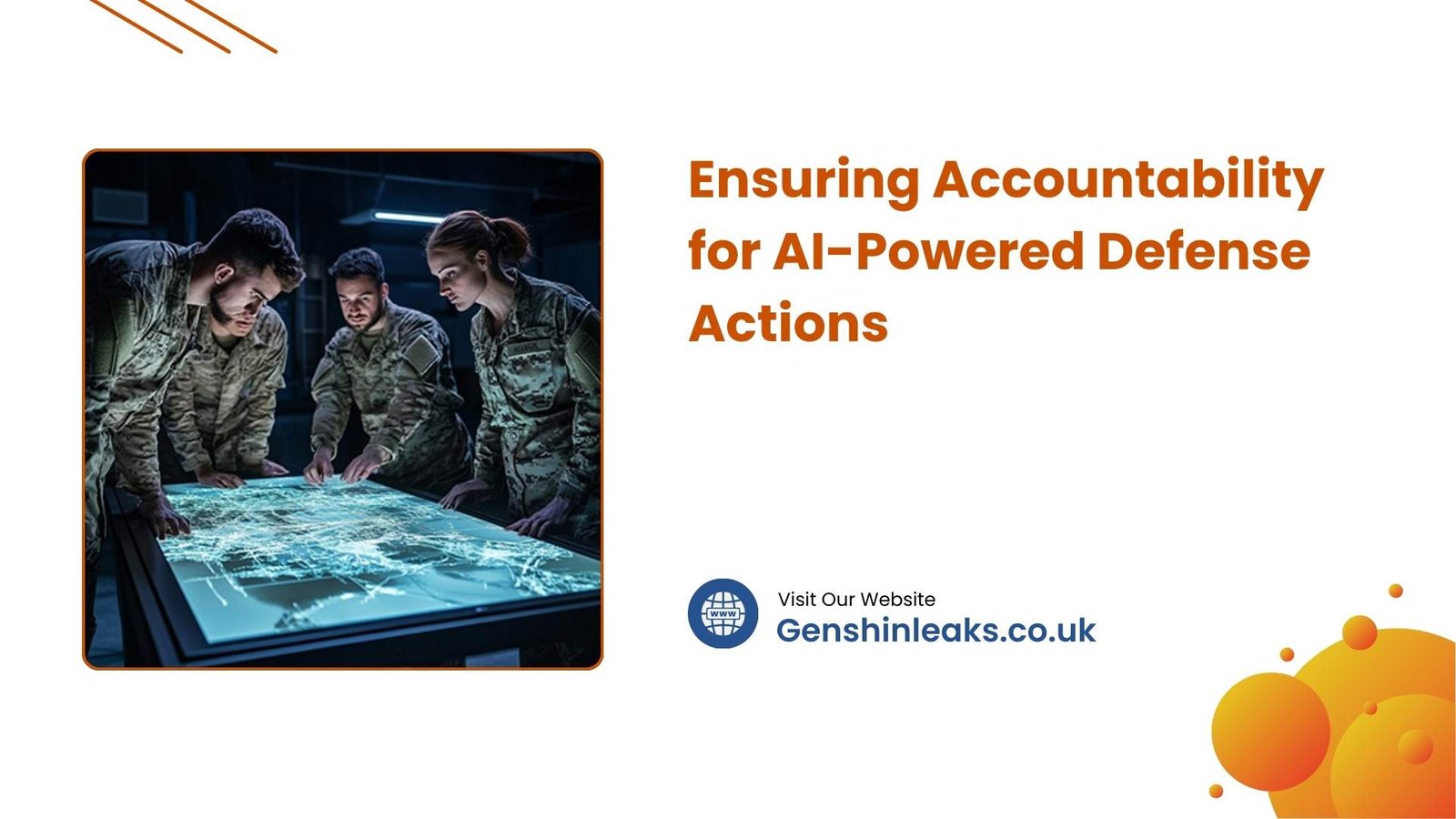
Artificial intelligence is transforming the cybersecurity landscape. By automating threat detection and response, AI can address attacks at speeds beyond human capability. However, as organizations adopt AI-powered defense tools, questions about accountability and transparency become more pressing. The rapid integration of AI into security operations offers the promise of stronger protection, but it also introduces risks that must be carefully managed. Organizations are now relying on machine learning models to analyze vast amounts of data, detect anomalies, and respond to threats in real time. While this increases efficiency, it also means that the consequences of mistakes or misjudgments can be far-reaching.
The Importance of Governance and Oversight
Proper oversight is essential for any system that makes critical security decisions. Implementing strong AI governance in cybersecurity operations helps organizations clarify roles, set ethical guidelines, and monitor AI actions. This approach ensures that AI-powered defenses act in line with legal and organizational standards. Without robust governance, organizations risk deploying systems that may act unpredictably or in ways that conflict with company values. Oversight bodies, such as AI ethics committees or security governance boards, can guide the development and ongoing use of AI tools. They can also ensure that ethical considerations, such as privacy and fairness, are prioritized from the start. According to the World Economic Forum, effective governance frameworks are essential for building trust in AI systems.
Assigning Responsibility for AI Decisions
AI systems often act automatically, but humans remain responsible for their actions. Clear policies must outline who is accountable when AI makes a decision, especially if it impacts critical infrastructure or sensitive data. According to the National Institute of Standards and Technology, organizations should assign roles and establish protocols for reviewing and approving AI actions.
You can learn more about these responsibilities at the official NIST website. This helps prevent confusion and ensures someone is always answerable for outcomes. Assigning responsibility also means that organizations need to define escalation procedures in case an AI system behaves unexpectedly. Regular reviews of AI system performance and decision-making processes allow organizations to identify gaps and make necessary adjustments. The U.S. Government Accountability Office highlights the importance of accountability in AI adoption to protect both organizations and the public.
Transparency and Explainability in AI Defense
AI models can be complex and difficult to understand. To build trust, organizations must make AI decisions as transparent as possible. Explainable AI (XAI) helps security teams understand the reasoning behind each action. The European Union has set clear guidelines on AI explainability, which can be reviewed at. This transparency is key to identifying errors and refining systems over time. When stakeholders can see how an AI system arrived at a decision, it becomes easier to spot biases, correct mistakes, and improve outcomes.
Transparency also supports compliance with regulations that require organizations to justify automated decisions, especially in sectors like finance and healthcare. Open communication about how AI models work and what data they use is important for maintaining credibility and meeting stakeholder expectations.
Auditing and Monitoring AI Systems
Regular auditing and continuous monitoring are vital for maintaining accountability. Logs of AI actions should be kept for later review, making it easier to trace decisions and investigate incidents. The U.S. Department of Homeland Security recommends that organizations implement strong monitoring practices for AI-powered defense. These steps help detect misuse, bias, or unintended consequences early. Automated tools can assist with real-time monitoring, flagging unusual activity or unexpected decisions for further investigation.
Scheduled audits ensure that AI systems remain effective, secure, and aligned with organizational goals. Proper documentation of audit results and monitoring activities is essential for ensuring compliance and learning from past events. The Center for Security and Emerging Technology discusses how regular auditing can reduce risks and improve AI system reliability.
Ethical and Legal Considerations
AI in cyber defense must comply with laws and ethical standards. Organizations should review local and international regulations before deploying AI systems. This includes respecting privacy rights, avoiding discrimination, and ensuring that automated actions do not harm users or critical services. Regular training for staff and updates to policies are essential to stay current with evolving standards. Legal frameworks around AI are changing quickly, and organizations must stay informed about new requirements.
The European Commission has published extensive resources on ethical AI, emphasizing the need for fairness, accountability, and transparency. Ethical considerations also extend to the data used to train AI systems. Ensuring that data is unbiased and representative can help prevent discriminatory outcomes and build trust with users.
Building a Culture of Accountability
Creating a culture of accountability means more than just following rules and guidelines. It requires active engagement from leadership, technical staff, and all stakeholders. Organizations should encourage open discussions about the risks and benefits of AI-powered defense. By promoting transparency, ethical conduct, and shared responsibility, companies can ensure that everyone understands their role in maintaining accountability.
Regular workshops, training sessions, and scenario-based exercises can help staff recognize potential issues and respond effectively. Encouraging feedback and reporting of concerns without fear of retaliation supports a healthy environment where risks are identified early. As AI systems become more integrated into daily operations, fostering this culture will be crucial to long-term success and trust.
Challenges and Future Directions
Despite best efforts, ensuring accountability in AI-powered defense is not without challenges. AI models can behave unpredictably, making it challenging to trace certain decisions back to their specific causes. As AI technology advances, new risks and ethical dilemmas may emerge, necessitating ongoing adjustments to policies and practices. Collaboration among industries, regulators, and researchers is crucial to addressing these challenges.
Organizations should participate in industry groups and stay informed about new developments and standards. Investing in research on explainable AI, bias detection, and robust auditing tools will help organizations stay ahead of emerging risks. Looking forward, the goal should be to develop AI systems that are not only effective but also trustworthy, fair, and accountable.
Conclusion
AI-powered defense tools bring new capabilities but also new responsibilities. Ensuring accountability means setting clear policies, assigning roles, and maintaining transparency. By following best practices and staying informed on regulations, organizations can use AI to protect their systems while upholding trust and security. Ongoing education, collaboration, and a strong culture of responsibility will help organizations navigate the evolving landscape of AI-powered cybersecurity.
FAQ
Why is accountability important in AI-powered defense?
Accountability ensures that organizations can track, explain, and take responsibility for actions made by AI systems, especially in critical situations.
What role do audits play in AI accountability?
Audits help organizations review AI system behavior, detect issues, and ensure compliance with legal and ethical standards.
Who is responsible if an AI system makes a wrong decision?
Ultimately, the organization and designated staff members are responsible for AI decisions, including errors or unintended outcomes.