In today’s digital age, the rise of online travel scams poses significant challenges for globetrotters. As we embark on new adventures, it is essential to prioritize traveler safety by staying informed about common scams that could jeopardize our finances and personal information. With the travel industry steadily recovering post-pandemic, scammers have become increasingly adept at exploiting unsuspecting tourists through various forms of travel fraud. Statistics indicate a spike in online travel scams, making awareness crucial for every traveler. In this article, we will explore the landscape of these scams, helping you protect yourself and ensure a seamless travel experience.
Key Takeaways
- Online travel scams have become prevalent as the travel industry rebounds.
- Understanding the types of scams is essential for traveler safety.
- Awareness of phishing attempts is crucial to avoid fraud.
- Recognizing red flags can help you identify potential threats.
- Secure booking practices are vital for a worry-free trip.
Understanding the Landscape of Online Scams
Travel scams have become increasingly sophisticated, with an alarming rise in various types of travel scams that target unsuspecting individuals. As travelers navigate through numerous online platforms, they become vulnerable to different forms of travel fraud. Awareness of these scams is vital for protecting against potential losses.
Types of Scams Affecting Travelers
Travelers face numerous risks when booking vacations or accommodations online. The following are some prevalent types of scams that pose significant threats:
- Identity Theft: Scammers steal personal information to access financial accounts.
- Fake Rental Listings: Listings that seem too good to be true may exist only to swindle deposits from travelers.
- Online Auction Scams: Fake sellers may sell nonexistent travel packages or accommodations.
- Fake Travel Agencies: Fraudulent agencies may take payments without providing legitimate services.
How Scammers Target Victims Online
Scammers employ various strategies to exploit traveler vulnerability. They often use social engineering tactics to create a sense of urgency, enticing individuals to make hasty decisions. Common tactics include:
- Using social media to advertise exciting travel deals that lead to scams.
- Sending phishing emails that resemble legitimate travel companies, prompting individuals to share sensitive information.
- Creating fraudulent websites that mimic reputable travel platforms.
Being aware of these types of travel scams can significantly diminish the risk of falling victim to fraud. Understanding how scammers target potential victims allows travelers to remain vigilant during their journeys.
Common Online Scams Targeting Travelers
Travelers face various online scams that compromise their safety and finances. Understanding the tactics employed by scammers can significantly reduce the risk of falling victim to fake booking sites or other fraudulent schemes. Essential information about these deceptive practices is crucial for safe travel planning.
Fake Travel Booking Websites
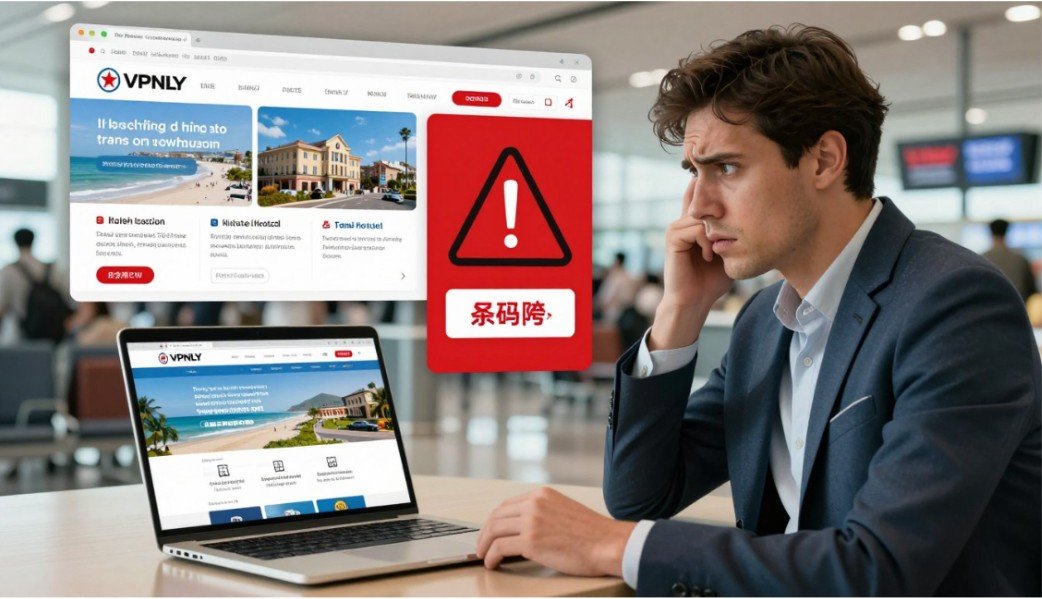
Fake travel booking websites rank among the most common scams targeting travelers. Scammers create these sites to closely resemble trusted travel agencies, often featuring unrealistically low prices. To protect yourself from travel booking fraud, focus on several key indicators. Check for secure HTTPS connections and read customer reviews to gauge a site’s legitimacy. Additionally, verifying companies through social media channels or reputable consumer reports can further safeguard your travel plans. The Better Business Bureau has documented a notable increase in complaints related to these online reservation scams.
Phishing Emails and Messages
Phishing attempts present another serious threat to travelers. Scammers may send emails or messages that appear to be from legitimate travel companies, enticing you to click on dubious links or provide personal information. Always scrutinize the sender’s address and be cautious with unexpected communication. Legitimate companies usually won’t ask for sensitive details via email. Instead, contact the company directly if you have concerns about possible phishing attempts.
Protecting Yourself from Online Scams
In today’s digital age, protecting yourself from online scams is crucial, especially when it comes to travel arrangements. Adopting effective secure booking tips can significantly enhance your online safety and travel security. Following well-established best practices ensures that your personal information remains safe while you explore the world.
Best Practices for Secure Online Booking
Utilizing reputable travel booking platforms is fundamental. Websites like Expedia and Booking.com offer secure payment options to safeguard your information. Here are some additional tips:
- Enable two-factor authentication for all travel accounts.
- Regularly update your passwords and make them complex.
- Keep your software and antivirus protection up to date to combat malware.
- Use a free VPN when booking on public Wi-Fi.
Recognizing Red Flags in Online Offers
Being vigilant helps in identifying suspicious offers before they lead to scams. Watch for these warning signs:
- Unbelievably low prices compared to market rates.
- Poorly designed websites with multiple spelling errors.
- Requests for personal information in unsecured formats.
- Urgent calls to action that pressure quick decisions.
Conclusion
In today’s increasingly digital world, ensuring travel safety has never been more essential. The awareness of scams targeting travelers is vital for protecting against the multitude of online fraud schemes that can tarnish a vacation. By staying informed about the types of scams present in the travel sector, individuals can significantly bolster their defenses and reduce the risk of becoming victims.
Knowledge truly is power. Understanding the landscape of travel-related fraud empowers travelers with the tools necessary for making safe decisions. As we have explored various scams, including fake booking websites and phishing messages, it’s crucial to remain vigilant. By implementing best practices for secure online booking and recognizing red flags, travelers enhance their protection against potential threats.
Encouragingly, by sharing experiences and tips regarding travel safety, a community of informed tourists can emerge. Together, we can navigate the complexities of online travel booking, fostering an environment where awareness of scams leads to travelers’ protection. Remember, your next adventure should be filled with excitement and joy, not worry about online fraud.
FAQ
What types of online scams are targeting travelers?
Common online scams targeting travelers include fake travel booking websites, phishing emails, identity theft, and online auction scams. Scammers often exploit travelers’ desires for deals and can lead to significant financial losses.
How can I identify a fake travel booking website?
To identify a fake travel booking website, look for secure HTTPS connections, read online reviews from reliable sources, check if the company has a presence on social media, and verify their credibility through trusted consumer reports.
What should I do if I fall victim to a travel scam?
If you fall victim to a travel scam, document all details of the incident, report it to the Federal Trade Commission (FTC), and consider notifying your bank or credit card provider to dispute any unauthorized transactions. It’s also essential to update your passwords and monitor your accounts for any unusual activity.
How can I protect my personal information while traveling online?
To protect your personal information while traveling online, always use reputable travel websites, enable two-factor authentication for your accounts, use strong passwords, and keep your device’s software updated to fend off malware and security threats.
Are there resources available to help travelers stay safe from scams?
Yes, organizations like the Federal Trade Commission (FTC) provide valuable resources and guidelines on how to recognize and avoid scams targeting travelers. Staying informed through these resources can significantly reduce the risk of falling victim.
Why do online scams targeting travelers seem to be on the rise?
Online scams targeting travelers are on the rise due to increasing digitalization and the recovery of the travel industry post-pandemic. As more people book trips online, scammers are taking advantage of unsuspecting travelers looking for the best deals.